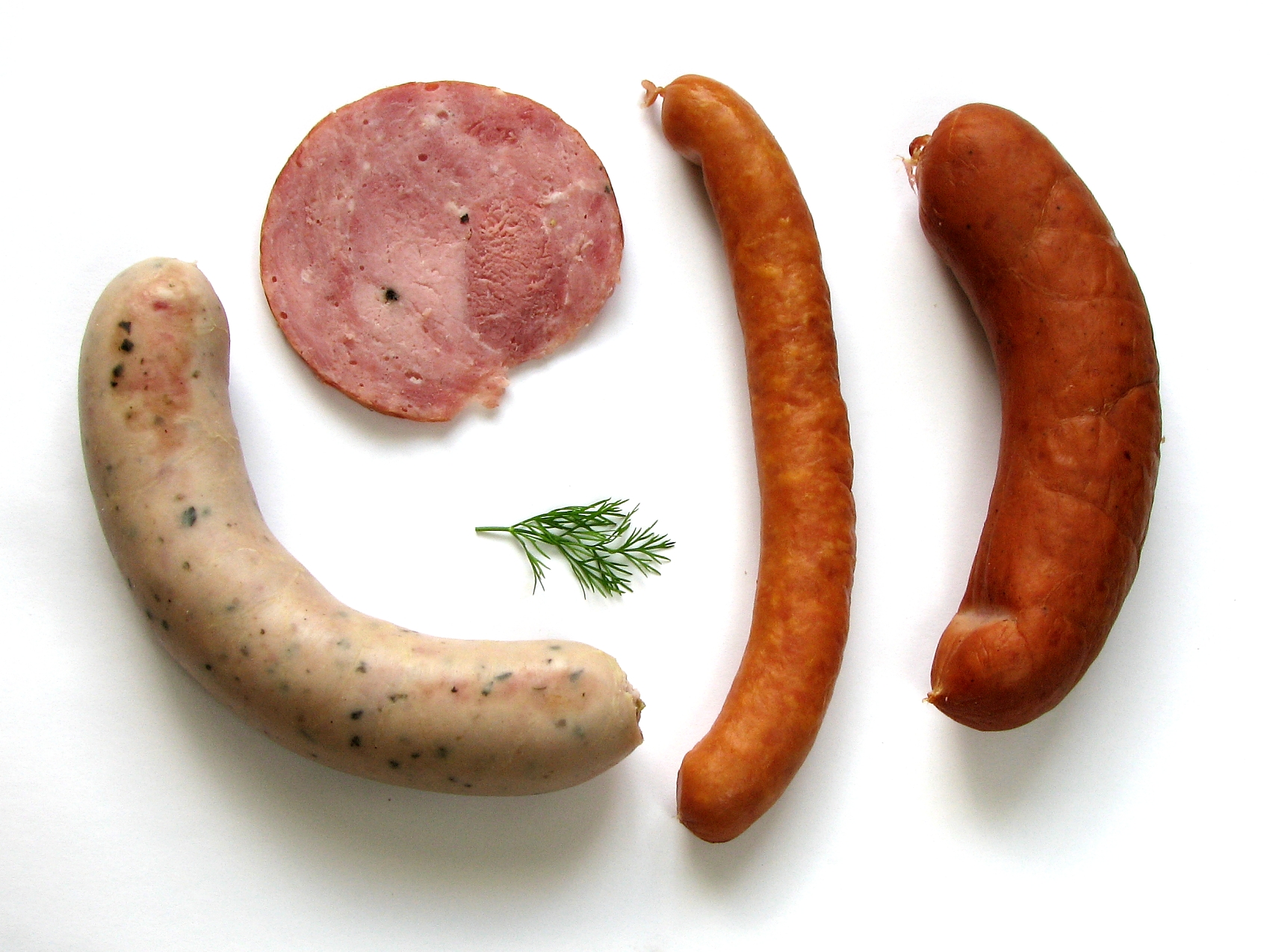
Eating well is difficult. Eating well is more than just eating healthy, as elusive as that designation will always be if you try to follow whatever “they” are currently recommending. To eat well, you must eat real, locally-sourced, nutritious food. Real food is not processed or full of chemical preservatives that don’t exist outside of supermarket shelves. Local food pumps funds back into the local economy, encouraging community growth and innovation. Nutritious food is food that gives you all of the little bits of life that help your body take care of itself, vitamins and minerals, and more than just the raw jet-fuel that is carbohydrates. Eating well is about wholeness and wellness, and not just getting by until the next meal.
I decided to turn over a new leaf. I am eating well. One of the first things I wanted to try to do was remove antibiotic-drenched, factory-farmed meat from my life. I would support local providers, and get higher quality cuts of meat, chosen and prepared by the real deal knife-wielder.
How Now Locally-Sourced Cow?
At this moment, if you Google “Butcher Shops in Charleston,” the top result on the search results page is The Meathouse Butcher Shop on Johns Island. As someone who worked in organic search marketing in a past life, I can tell you that is a big deal, especially for an entity that has only been around for such a short time. Look at Ted’s Butcherblock, a local institution, and they are fourth after a couple of Yelp! articles. |
| Butcher Shop Search Results as of 4/11/2017 |
To market, to market, to buy whatever’s on sale.
I am the problem. We are the problem. I have been telling myself for years that I was going to stop buying supermarket meat. I have been telling myself for years that it is awful for me. It’s awful for the animals. It’s awful for the environment. It’s awful for communities. But I kept doing it. How many more people like me are there, people who would have, and should have been packing this little shop with real steady business since it opened?I could make excuses about prices or convenience, but the truth is more difficult to face. Community butcher shops, bakeries, and produce markets are not a part of the modern American community schema. When someone says, “I need to go buy something to cook for dinner,” or “I need to get some groceries,” our brain pictures are not of the local butcher in her apron wearing a bandanna explaining different cuts of meat or lines of fresh-baked loaves under an old wooden counter. No, instead we visualize rows of white vinyl tile glowing in florescent light. We see shelves full of colorful marketing, cardboard and plastic. We see anonymous hunks of meat unceremoniously cellophaned to unrecyclable bismuth-pink Styrofoam trays. We see square, spongy white bread uniformed in yellow plastic, lined up like a hundred little high-fructose jet-fuel-powered soldiers.
The worst part is, we don’t think about it. It’s automatic.
Truth. Guilty.
ReplyDeleteI'm going to change my ways.